Hospitality Air Conditioning Brisbane: The Complete Guide for Hotels, Restaurants & Venues

In Brisbane’s competitive hospitality market, guest comfort isn’t optional—it’s expected. Your air conditioning system silently shapes every review, every return visit, and ultimately, your revenue. A sweltering restaurant empties tables faster than poor service, while a stuffy hotel room guarantees a one-star review, regardless of your thread count.

Whether you’re managing a boutique hotel in New Farm, operating a busy restaurant in Fortitude Valley, running a pub in West End, or launching a cafe in Paddington, this comprehensive guide covers everything you need to know about hospitality air conditioning that protects your reputation and your bottom line.

Why Hospitality Air Conditioning Directly Impacts Your Revenue

Your HVAC system isn’t just infrastructure—it’s a revenue driver. Here’s how climate control affects your hospitality business:

Guest satisfaction and reviews – Studies show that temperature complaints rank among the top three negative review triggers for hotels and restaurants. One uncomfortable dining experience can cost you a customer permanently, along with everyone they tell about it.

Dining duration and spending – Comfortable restaurant patrons linger longer, order desserts, and purchase additional drinks. Research indicates that diners in well-cooled environments spend 15-25% more per visit than those in uncomfortably warm spaces.

Sleep quality in hotels – Temperature control directly impacts sleep quality. Poor sleep equals negative reviews. Simple as that. Guests remember how they felt more than what your lobby looked like.

Staff productivity and retention – Kitchen and bar staff working in hot environments experience higher fatigue, make more mistakes, and quit more frequently. Comfortable working conditions improve service quality and reduce costly staff turnover.

Food safety compliance – Commercial kitchens generate enormous heat loads. Inadequate cooling risks food safety violations, health department citations, and potential business closures. Proper HVAC maintains safe food preparation temperatures.

Energy costs as a controllable expense – Hospitality venues typically spend 15-20% of operating costs on energy. Advanced HVAC systems with smart controls can reduce this by 30-40%, directly improving profitability.

Unique HVAC Challenges in Hospitality Environments

Hospitality venues face cooling challenges that residential and standard commercial properties don’t encounter:

Extreme Heat Loads from Kitchen Equipment

Commercial kitchens generate massive heat. A single commercial range produces 10,000-15,000 BTUs of heat continuously. Add grills, ovens, fryers, and dishwashers, and kitchen heat loads can exceed 100,000 BTUs in busy venues. Your HVAC system must handle this without overcooling dining areas or creating temperature imbalances.

Variable Occupancy Throughout the Day

A restaurant might be empty at 3pm but packed by 7pm. Hotels experience check-in rushes and quiet periods. Each person adds approximately 100 watts of heat. Your HVAC system needs intelligent controls that adjust cooling capacity based on real-time occupancy rather than running at maximum capacity constantly.

24/7 Operation Requirements

Unlike retail stores that close at 6pm, hospitality venues operate extended hours. Hotels require cooling around the clock. Late-night bars, early breakfast services, and continuous operations mean HVAC systems work harder with less opportunity for rest or energy-saving off-peak operation.

Multiple Zones with Different Requirements

Front-of-house dining areas need precise comfort (22-24°C), while commercial kitchens might operate at 26-28°C with powerful extraction. Guest rooms require individual control. Conference rooms need quick cooling for sudden occupancy. Staff areas, storage, and bathrooms all have different demands.

Noise Sensitivity in Dining and Sleeping Areas

Loud HVAC equipment ruins restaurant ambiance and prevents hotel guests from sleeping. Systems must deliver powerful cooling quietly. This requires careful equipment selection, proper installation with vibration isolation, and potentially sound-attenuation ductwork in acoustically sensitive areas.

Ventilation and Air Quality Standards

Commercial kitchens require extensive fresh air ventilation to remove cooking odors, smoke, and grease particles. Dining areas need sufficient air changes per hour to maintain air quality with high occupancy. Poor ventilation creates stuffy environments and allows odors to permeate dining spaces.

Humidity Control in Coastal Locations

Brisbane’s subtropical climate brings high humidity, especially in summer. Excessive humidity makes spaces feel warmer than they are, causes condensation problems, promotes mold growth, and damages furnishings. Quality HVAC systems actively manage humidity alongside temperature control.

Types of Air Conditioning Systems for Hospitality Venues

Choosing the right system depends on your venue type, size, layout, and operational requirements:

VRV/VRF Multi-Split Systems

Best for: Hotels, larger restaurants, multi-story venues, mixed-use properties

Variable Refrigerant Volume (VRV) or Variable Refrigerant Flow (VRF) systems connect numerous indoor units to centralized outdoor units. Each zone operates independently with individual temperature control—perfect when guest rooms need different settings than lobbies, restaurants, or conference facilities.

Advantages: Independent zone control for each room, simultaneous heating and cooling in different areas, superior energy efficiency through variable speed operation, scalable as your property expands, heat recovery capabilities redirect waste heat to areas needing warmth

Considerations: Higher upfront investment (typically $20,000-$80,000+ for hospitality installations), requires experienced technicians for installation and service, complex control systems need proper programming

Ideal applications: Boutique hotels, serviced apartments, restaurant groups with multiple venues, mixed-use properties

Ducted Air Conditioning with Zoning

Best for: Restaurants, function centers, hotel common areas, larger pubs and clubs

Ducted systems distribute cooled air through concealed ceiling ductwork. When combined with zone controls, they deliver flexible temperature management across different venue areas while maintaining a seamless architectural appearance.

Advantages: Invisible ceiling integration maintains interior design, even temperature distribution throughout zones, single-point control can be automated, handles large open spaces effectively, can integrate with building management systems

Considerations: Requires ceiling cavity access for ductwork installation, less flexible for individual room control without advanced zoning, higher installation complexity affects initial costs

Typical investment: $15,000-$50,000 depending on venue size and zoning requirements

Ideal applications: Full-service restaurants, hotel lobbies and common areas, function and conference centers, larger cafes

Split System Air Conditioners

Best for: Small cafes, boutique hotels, wine bars, smaller restaurants, individual hotel rooms

Split systems feature outdoor compressor units connected to one or more indoor units. They’re cost-effective, quick to install, and provide reliable cooling for smaller hospitality spaces.

Advantages: Lower upfront costs ($2,500-$8,000 per unit installed), quick installation with minimal disruption, quiet operation suitable for intimate dining spaces, inverter technology improves efficiency, individual zone control possible with multiple units

Considerations: Limited coverage per unit requires multiple systems for larger spaces, outdoor unit placement can be challenging in dense urban locations, visible indoor units may not suit all interior designs

Ideal applications: Small cafes and bistros, wine bars and cocktail lounges, bed and breakfast properties, individual hotel room retrofits

Packaged Terminal Air Conditioners (PTACs)

Best for: Budget hotels, motels, serviced apartments

PTACs are self-contained units installed through exterior walls, providing individual room climate control with guest-operated controls. They’re common in hotel chains where each room requires independent operation.

Advantages: Simple installation through wall sleeve, individual room control reduces energy waste, maintenance performed room-by-room without affecting other units, replacement of failed units doesn’t impact entire property

Considerations: Visible room-side units may not suit upscale properties, through-wall installation requires exterior access, can be noisier than split or ducted systems, less energy-efficient than modern inverter technology

Typical investment: $1,500-$3,500 per room including installation

Ideal applications: Mid-range hotels and motels, apartment-style accommodation, extended stay properties

Chilled Water Systems

Best for: Large hotels, casino resorts, convention centers, major hospitality complexes

Chilled water systems use central chillers to produce cold water, which is then circulated to air handling units throughout the property. These systems handle enormous cooling loads efficiently in large-scale hospitality developments.

Advantages: Handles massive cooling loads efficiently, centralized equipment simplifies maintenance, excellent for properties with diverse cooling needs, allows staged expansion, integrates with heating and hot water systems

Considerations: Very high upfront capital investment ($100,000-$500,000+), requires dedicated plant room and extensive infrastructure, complex installation and commissioning, requires skilled operators for optimal performance

Ideal applications: Large hotels (50+ rooms), integrated resorts, convention centers, entertainment complexes

Energy Efficiency Strategies for Hospitality HVAC

Energy costs represent one of your largest controllable expenses. These strategies reduce consumption without compromising guest comfort:

Install High-Efficiency Equipment with Inverter Technology

Inverter-driven systems adjust compressor speed continuously to match actual cooling demand rather than cycling on and off. This reduces energy consumption by 30-40% compared to fixed-speed systems. Look for equipment with high Energy Efficiency Ratios (EER) and 5-star ZERL ratings or better.

Implement Smart Building Controls and Automation

Modern building management systems (BMS) optimize HVAC operation automatically. Key features include occupancy sensors that reduce cooling in unoccupied guest rooms, time-of-day scheduling that pre-cools spaces before peak periods, temperature setback during low-occupancy periods, and integration with keycard systems in hotels to prevent cooling empty rooms.

Zone Control Prevents Overcooling Unused Areas

Separate temperature control for kitchens, dining areas, bars, guest rooms, back-of-house spaces, and outdoor areas ensures you’re not wasting energy cooling spaces that don’t require it. Zone controls deliver comfort where needed while minimizing waste elsewhere.

Regular Maintenance Sustains Peak Efficiency

Dirty filters force systems to work 15-20% harder to achieve the same cooling. Quarterly professional servicing maintains efficiency. Clean coils transfer heat more effectively. Correct refrigerant levels prevent compressors from running longer than necessary. Preventive maintenance reduces energy costs and extends equipment life.

Heat Recovery from Kitchen Exhaust

Kitchen exhaust systems remove enormous amounts of heat. Heat recovery systems capture this waste heat and redirect it to hot water production, reducing water heating costs by up to 40%. This is particularly valuable in hotels with high hot water demand.

Window Film and Building Envelope Improvements

West-facing windows in Brisbane venues gain significant solar heat during afternoon service periods. Quality window film blocks heat gain while maintaining natural light. Proper insulation reduces cooling loads. Door seals prevent conditioned air escaping. These passive measures reduce HVAC runtime substantially.

Strategic Temperature Setpoints

Every degree warmer saves approximately 10% on cooling costs. Well-designed hospitality spaces operate comfortably at 23-24°C rather than 21-22°C. Kitchen areas can run at 26-27°C with proper ventilation. Slight adjustments multiply into significant savings over continuous operation.

Monitor Usage Patterns and Optimize

Track energy consumption against occupancy data. Identify inefficiencies—are you overcooling during quiet periods? Is equipment running when venues are closed? Modern energy monitoring reveals waste that manual observation misses. Use data to refine operating schedules and temperature settings.

How to Choose the Right System for Your Hospitality Venue

Selecting appropriate air conditioning requires careful analysis of your specific operational needs:

Venue Type and Size Assessment

Hotels require individual room control plus common area cooling. Restaurants need powerful kitchen ventilation alongside comfortable dining spaces. Pubs focus on bar and gaming area cooling with kitchen extraction. Cafes may need simpler solutions focused on customer comfort.

Calculate total floor area including front-of-house, back-of-house, kitchens, storage, and outdoor areas. Ceiling height affects air distribution—high ceilings require more powerful systems to maintain comfort at patron level.

Accurate Heat Load Calculation

Professional heat load calculations account for kitchen equipment BTU output, expected patron density during peak periods, solar heat gain through windows and skylights, lighting and electrical equipment heat generation, ventilation requirements for fresh air, and building construction characteristics.

Undersized systems struggle during peak service, disappointing guests when you need performance most. Oversized systems cycle frequently, waste energy, and fail to control humidity effectively.

Guest Comfort vs. Operational Efficiency

Balance is critical. Guests expect comfort, but overdesigned systems waste money. Target temperatures of 23-24°C in dining areas and 22-23°C in guest rooms satisfy most people while controlling costs. Individual room control in hotels allows guests to adjust to personal preferences.

Budget: Total Cost of Ownership

Consider purchase price, installation costs, projected energy consumption over 10-15 years, maintenance and service contracts, and expected equipment lifespan. A $30,000 high-efficiency VRV system that costs $300/month to operate delivers better value than a $15,000 basic system costing $600/month in energy.

Aesthetic Integration with Interior Design

Hospitality venues compete on atmosphere and ambiance. Bulky, visible HVAC equipment detracts from carefully designed interiors. Ducted systems disappear into ceilings. Modern cassette units provide discreet four-way air distribution. Wall-mounted splits come in designer finishes. Choose equipment that complements your design vision.

Noise Levels in Sensitive Areas

Restaurant diners and hotel guests notice noisy HVAC. Specify maximum noise levels during equipment selection. Quality brands offer ultra-quiet operation (often 19-25 dB). Installation quality matters enormously—poor mounting creates vibration noise. Request sound testing after installation in acoustically critical spaces.

Scalability and Future Expansion Plans

Planning to add rooms, expand dining capacity, or open additional venues? VRV systems scale easily by adding indoor units to existing outdoor capacity. Ducted systems may require complete redesign for major expansions. Consider 5-10 year growth plans when making system selections.

Compliance with Health and Building Codes

Commercial kitchens must meet specific ventilation requirements under Australian Standards AS1668.2. Hotels require minimum fresh air rates per occupant. Building codes specify energy efficiency minimums. Work with contractors experienced in hospitality compliance to ensure systems meet all regulatory requirements.

Common Hospitality HVAC Problems and Solutions

Even well-maintained systems encounter issues. Here’s what to watch for:

Restaurants: Dining Area Comfort vs Kitchen Heat

Problem: Kitchen heat overwhelms dining area cooling, or dining area freezes while kitchen swelters

Causes: Insufficient kitchen exhaust ventilation, undersized cooling capacity for kitchen heat load, poor zoning between front and back of house

Solutions: Install dedicated kitchen HVAC with appropriate capacity (kitchens need 12-20 air changes per hour), improve exhaust hood performance with makeup air units, separate dining and kitchen HVAC systems with independent controls, install air curtains at kitchen service doors

Hotels: Guest Room Temperature Complaints

Problem: Rooms too hot or too cold, temperature varies significantly between rooms, individual control doesn’t work effectively

Causes: Undersized or failing PTAC units, poor duct balancing in ducted systems, solar heat gain in west-facing rooms, thermostat calibration issues

Solutions: Upgrade to inverter split systems or VRV for superior individual control, install window film on problem-facing rooms, balance airflow across all rooms, regular calibration of room thermostats, consider occupancy sensors to prevent wasting energy on empty rooms

High Energy Bills Despite Moderate Occupancy

Problem: Energy costs climbing without corresponding increase in business volume

Causes: Aging inefficient equipment, systems running 24/7 without occupancy-based controls, poor building envelope allowing heat infiltration, incorrect scheduling

Solutions: Energy audit identifying specific waste areas, implement building management system with occupancy sensors, upgrade to high-efficiency equipment with variable speed drives, optimize schedules to match actual operating hours, improve insulation and air sealing

Poor Air Quality and Ventilation Issues

Problem: Stuffy atmosphere, cooking odors in dining areas, complaints about “stale” air

Causes: Insufficient fresh air intake, dirty filters restricting airflow, inadequate kitchen exhaust, HVAC system recirculating air without proper outside air mixing

Solutions: Increase fresh air ventilation rates, implement regular filter change schedule (monthly minimum), upgrade kitchen exhaust and makeup air systems, install air purification if needed, ensure HVAC brings in required outside air percentage

Unreliable Performance During Peak Periods

Problem: System struggles when you’re busiest—full dining room, maximum occupancy, hot summer evenings

Causes: Undersized capacity for actual peak loads, equipment running beyond design life, poor maintenance reducing effectiveness

Solutions: Conduct proper heat load calculation with realistic peak occupancy scenarios, supplement existing capacity with additional units in critical areas, upgrade aging equipment before failures occur during busy periods, implement preventive maintenance to sustain performance

Noise Disrupting Guest Experience

Problem: HVAC equipment noise ruins restaurant ambiance or prevents hotel guests from sleeping

Causes: Poor equipment selection without noise specifications, improper installation creating vibration, ductwork design causing airflow noise, aging equipment with worn bearings

Solutions: Replace noisy equipment with ultra-quiet models, install vibration isolation mounts, redesign ductwork to reduce air velocity, sound-attenuation ductwork in sensitive areas, regular maintenance to address bearing wear before it becomes disruptive

Preventive Maintenance Programs for Hospitality HVAC

Reactive maintenance costs more and risks guest comfort. Structured maintenance programs prevent emergencies:

Monthly In-House Tasks

Check and replace filters in all systems, inspect visible outdoor units for debris or obstructions, verify thermostat operation and accuracy, listen for unusual sounds indicating developing issues, ensure kitchen exhaust hood grease filters are clean.

Quarterly Professional Service

Comprehensive inspection of all HVAC equipment, clean condenser and evaporator coils, check refrigerant levels and pressures, test electrical connections and components, lubricate motors and bearings, inspect ductwork for leaks or damage, calibrate thermostats and controls, test emergency shutoffs and safety systems.

Annual Comprehensive Inspection

Complete performance testing against design specifications, thermographic imaging to detect inefficiencies and hot spots, kitchen exhaust system cleaning and inspection, comprehensive electrical system evaluation, compressor performance analysis, control system calibration and optimization, detailed energy efficiency assessment with improvement recommendations, compliance verification with health and safety requirements.

Priority Emergency Service Agreements

When your air conditioning fails during a sold-out weekend or busy Saturday dinner service, you need immediate response. Maintenance agreements typically include priority emergency service—technicians respond within hours, not days. This minimizes revenue loss from uncomfortable conditions.

Cost Expectations for Hospitality Maintenance

Small venues (cafes, small restaurants): $400-$800 annually covering quarterly service and priority response

Medium venues (full-service restaurants, boutique hotels): $1,200-$3,000 annually for multiple systems with comprehensive coverage

Large venues (hotels, major restaurants, entertainment venues): $3,000-$10,000+ annually for extensive systems with 24/7 emergency support

Return on investment: Maintenance prevents 85% of major failures. A $2,000 annual maintenance plan prevents a $15,000 emergency replacement during peak trading periods.

Hospitality Air Conditioning Installation: What to Expect

Understanding the installation process helps you plan around operations and minimize guest disruption:

Pre-Installation Consultation and Design

Professional contractors conduct detailed site surveys measuring your entire venue, calculating heat loads from all sources, evaluating electrical service capacity, identifying optimal equipment locations that don’t compromise design, discussing operational requirements and aesthetic preferences, and reviewing your budget parameters and timeline constraints.

Expect multiple consultations to refine the design. Quality contractors provide detailed CAD drawings showing equipment placement, ductwork routing, and control locations.

Detailed Quotation and Specification

Comprehensive proposals specify exact equipment models and capacities, detailed installation methodology, expected energy consumption projections, maintenance requirements and costs, warranty coverage on equipment and workmanship, payment schedule tied to project milestones, and realistic timelines with contingency planning.

Compare quotes on equipment quality, system efficiency, contractor experience with hospitality installations, and total 10-year cost of ownership—not just installation price.

Installation Timeline and Operational Planning

Small cafe or restaurant installations: 2-5 days depending on system complexity

Medium restaurant or boutique hotel installations: 1-2 weeks with staged implementation

Large hotel or major venue installations: 2-6 weeks with careful phasing to maintain operations

Work with contractors to schedule disruptive activities during closed hours, off-peak seasons, or planned renovation periods. Many hospitality installations occur overnight or during temporarily closed periods to avoid guest impact.

Commissioning, Testing, and Staff Training

After installation, professional commissioning includes testing all zones for proper airflow and temperature control, verifying refrigerant charges and system performance, balancing air distribution across all areas, programming control systems and automation, demonstrating operation to your management team, and providing comprehensive documentation of all equipment and settings.

Request written operating manuals and maintenance schedules. Ensure staff understand basic operation, scheduling, and who to call for service issues.

Warranty Protection and Compliance Documentation

Quality installations include manufacturer warranties (typically 5 years on compressors, 3-5 years on parts) and workmanship guarantees covering installation labor. Ensure full compliance with Australian Standards, local council requirements, food safety regulations, and building codes. Retain all documentation for insurance, compliance audits, and future service reference.

Hospitality Air Conditioning Costs: Brisbane Pricing Guide 2026

Realistic budget planning requires understanding actual costs for hospitality installations:

Small Cafes and Bistros (50-100m²)

Split systems: $5,000-$12,000 for 2-3 units covering dining and kitchen areas

Small ducted systems: $10,000-$20,000 for integrated ceiling solution

Annual operating costs: $1,200-$2,500 depending on operating hours

Full-Service Restaurants (100-250m²)

Multi-zone ducted systems: $18,000-$35,000 with separate kitchen and dining controls

VRV systems: $25,000-$45,000 for superior zone management and efficiency

Kitchen exhaust and makeup air: $8,000-$20,000 additional for commercial kitchen ventilation

Annual operating costs: $3,000-$6,000 with efficient equipment and smart controls

Boutique Hotels (10-25 rooms)

VRV systems with individual room control: $40,000-$80,000 for complete property coverage

Split systems for individual rooms: $3,500-$6,000 per room installed

Common area HVAC: $15,000-$30,000 for lobbies, breakfast areas, conference rooms

Annual operating costs: $8,000-$15,000 depending on occupancy patterns and efficiency

Larger Hotels (25-50 rooms)

Comprehensive VRV installation: $80,000-$150,000+ for all guest rooms and common areas

Chilled water systems: $120,000-$250,000 for centralized solution in larger properties

Annual operating costs: $15,000-$35,000 with building management system optimization

Pubs, Clubs, and Entertainment Venues

System costs: $20,000-$60,000 depending on venue size and complexity

Gaming room cooling: Additional $10,000-$25,000 for high heat load areas

Annual operating costs: $4,000-$12,000 for extended trading hours

Additional Cost Considerations

Electrical service upgrades: $3,000-$15,000 if existing power insufficient for new HVAC loads

Building structural modifications: $2,000-$10,000 for equipment mounting, roof penetrations, duct chases

Building permits and compliance: $1,000-$5,000 depending on project scope and local council

Building management system integration: $5,000-$20,000 for automated control and monitoring

Contingency for unexpected conditions: Budget additional 10-15% for older buildings

Financing and Incentive Options

Equipment finance over 12-60 months spreads capital costs, with interest-free periods available through some manufacturers. Lease agreements including maintenance reduce upfront expenditure. Energy efficiency upgrades may qualify for government rebates or tax incentives—ask contractors about current programs.

Choosing Your Hospitality HVAC Contractor in Brisbane

Contractor selection directly impacts system performance, reliability, and your guest experience:

Essential Qualifications and Hospitality Experience

Verify current Refrigerant Handling Licence (RHL) and Australian Refrigeration Council (ARC) authorization. Confirm electrical licensing for complete installations. Check business insurance covering public liability and workers compensation.

Request references from other hospitality clients—hotels, restaurants, pubs, function centers. Hospitality installations differ substantially from residential or office work. Choose contractors who understand guest experience priorities, food safety requirements, noise sensitivity, and minimizing disruption to trading operations.

Review Portfolio of Completed Hospitality Projects

Ask to see recent hospitality installations similar to your venue type and size. Quality contractors maintain photo documentation and client testimonials. Visit completed projects if possible to assess installation quality and speak with venue operators about their experience.

Service and Emergency Support Capabilities

Installation is just the beginning. Hospitality venues need rapid emergency response when systems fail. Verify 24/7 emergency service availability, average response times for urgent calls, size of service team (larger teams handle emergencies faster), and preventive maintenance program options.

Transparent Detailed Quotations

Quality quotes specify exact equipment brands and model numbers, detailed installation methodology and timeline, energy performance projections, warranty coverage terms, payment schedule, and what’s included versus optional extras. Avoid vague quotes without equipment specifications.

Communication and Project Management

Hospitality installations require coordination around guest service and trading hours. Contractors should provide clear timeline communication, regular progress updates, prompt responses to questions, and proactive problem-solving when unexpected conditions arise. Responsiveness during quoting predicts service quality later.

Frequently Asked Questions About Hospitality Air Conditioning

What size air conditioning system does my restaurant need?

Restaurants require 150-200 watts of cooling per square metre for dining areas, plus dedicated kitchen HVAC handling equipment heat loads. A 150m² restaurant with commercial kitchen typically needs 30-50kW total cooling capacity. Professional heat load calculations account for your specific equipment, occupancy, and layout.

How much does it cost to run hospitality air conditioning?

Operating costs vary based on venue size, operating hours, system efficiency, and electricity rates. A 100m² cafe might spend $150-$250 monthly. A full-service restaurant could spend $400-$800 monthly. Hotels spend $500-$2,000+ monthly depending on size. High-efficiency systems with smart controls reduce costs by 30-40%.

What temperature should I set in my restaurant or hotel?

Dining areas operate comfortably at 23-24°C with 40-60% humidity. Hotel guest rooms should offer individual control but default to 22-23°C. Commercial kitchens run warmer (26-27°C) with powerful exhaust ventilation. Every degree warmer saves approximately 10% on energy costs.

How often should commercial hospitality HVAC be serviced?

Monthly filter changes minimum for systems operating daily. Quarterly professional servicing for all equipment maintains efficiency and reliability. Annual comprehensive inspection identifies issues before they cause failures. Kitchen exhaust systems require specialized cleaning quarterly or as health department mandates.

Can I use residential air conditioning in my hospitality business?

No. Residential equipment lacks the capacity, durability, and features required for commercial hospitality operation. Commercial systems handle higher heat loads, operate longer hours, provide better humidity control, and include controls suitable for business use. Using residential equipment violates warranties and likely fails quickly.

What’s the best air conditioning for hotels?

VRV/VRF systems excel in hotels, providing individual room control, simultaneous heating and cooling, superior efficiency, and scalability. Modern systems integrate with keycard access to prevent cooling empty rooms. For budget properties, quality split systems or PTACs offer reliable individual room control at lower capital cost.

How do I reduce hospitality air conditioning noise?

Specify ultra-quiet equipment during selection (under 25 dB for indoor units). Professional installation with vibration isolation prevents noise transmission. Sound-attenuation ductwork in sensitive areas reduces airflow noise. Regular maintenance addresses bearing wear before equipment becomes noisy.

What rebates are available for hospitality HVAC upgrades?

Energy efficiency programs occasionally offer rebates for high-efficiency equipment replacements in commercial properties. Check current Queensland Government initiatives, Australian Government small business energy programs, and utility company incentives. Your contractor should identify applicable rebates during quotation.

How long does hospitality air conditioning equipment last?

Commercial-grade systems last 12-20 years with proper maintenance. VRV systems often exceed 15-20 years. Split systems average 12-15 years. Kitchen HVAC in high-heat environments may need replacement every 10-12 years. Poor maintenance, incorrect sizing, or harsh operating conditions significantly reduce lifespan.

Should I upgrade old air conditioning or repair it?

Equipment over 12-15 years old, especially if requiring frequent repairs, usually costs more to maintain than replace. New high-efficiency systems often pay for themselves within 5-7 years through energy savings alone. If repair costs exceed 50% of replacement cost, or refrigerant is R-22 (no longer available), replacement makes financial sense.

Protect Your Hospitality Business with Professional HVAC Solutions

Your air conditioning system directly impacts guest satisfaction, online reviews, revenue, and operational costs. The right system, professionally installed and properly maintained, pays for itself through reduced energy consumption, fewer breakdowns, and improved guest experiences that drive return visits and positive reviews.

Whether you’re planning a new hospitality fitout, replacing failing equipment, upgrading for energy efficiency, or simply seeking better reliability, professional guidance ensures wise investment in your business success.

Contact Shelair today for:

  • Free on-site assessment with accurate heat load calculation
  • Detailed quotation comparing system options for your specific venue
  • Energy efficiency analysis and operating cost projections
  • 5-year workmanship guarantee on all hospitality installations
  • Comprehensive maintenance programs with 24/7 priority emergency service
  • Experience with hotels, restaurants, pubs, cafes, and entertainment venues across Brisbane

Call 07 3204 9511 or email info@shelair.com.au to schedule your hospitality air conditioning consultation.

With over 30 years’ experience in commercial HVAC across Brisbane, the Gold Coast, and Sunshine Coast, Shelair delivers reliable, efficient cooling solutions that protect your hospitality investment and ensure guest comfort year-round.

Retail Air Conditioning Brisbane: Complete Guide to Cooling Your Store

Running a retail store in Brisbane’s subtropical climate means one thing: your air conditioning isn’t just about comfort—it’s about sales. Research shows that customers spend up to 20% longer in comfortably cooled stores, and that translates directly to increased revenue.

Whether you’re opening a new boutique in Fortitude Valley, upgrading a tired system in Paddington, or managing multiple retail locations across Brisbane, this guide covers everything you need to know about retail air conditioning systems that protect your bottom line.

Why Retail Air Conditioning Matters More Than You Think

Your HVAC system does far more than drop the temperature. In retail environments, properly designed air conditioning impacts:

Customer dwell time – Shoppers leave hot stores quickly. A comfortable environment encourages browsing, trying on clothes, and making purchasing decisions without rushing.

Product protection – Heat and humidity damage stock. Electronics, cosmetics, food products, clothing, and leather goods all require climate control to maintain quality and reduce spoilage.

Staff productivity – Uncomfortable employees provide poorer customer service. Proper cooling keeps your team focused and energetic throughout their shifts.

Brand perception – Walking into a stuffy, poorly ventilated store signals poor management. First impressions matter, and temperature is one of the first things customers notice.

Energy costs – The right system, properly maintained, can reduce operating costs by 30-40% compared to outdated or incorrectly sized equipment.

Types of Retail Air Conditioning Systems in Brisbane

Not all cooling solutions work for every retail space. Here’s what’s available and when each makes sense:

Split System Air Conditioners

Best for small to medium retail stores up to 100 square metres.

Split systems feature an outdoor compressor unit and one or more indoor units. They’re quiet, efficient, and don’t require extensive ductwork, making them popular for boutiques, cafes, and specialist shops.

Advantages: Lower upfront cost, quick installation, zone control capabilities, minimal visual impact

Considerations: Limited coverage per unit, multiple units may create aesthetic challenges, outdoor space required for compressors

Typical investment: $2,500-$8,000 per unit installed, depending on capacity

Ducted Air Conditioning Systems

Ideal for larger retail stores, department stores, or multi-room layouts exceeding 100 square metres.

Ducted systems distribute cooled air through ceiling-mounted vents connected to a central unit. This creates uniform temperature control across your entire space without visible equipment cluttering your retail environment.

Advantages: Seamless ceiling integration, even temperature distribution, single-point control, scalable for large spaces

Considerations: Higher upfront investment, requires roof cavity access, less flexibility for zone-specific temperature adjustment (without zoning upgrades)

Typical investment: $10,000-$25,000+ depending on store size and system capacity

VRV/VRF Multi-Split Systems

Perfect for medium to large retail stores, shopping centres, or businesses with varied cooling needs across different zones.

Variable Refrigerant Volume (VRV) or Variable Refrigerant Flow (VRF) systems connect multiple indoor units to one or more outdoor units. Each zone can be controlled independently—critical when your storeroom needs less cooling than your showroom floor.

Advantages: Superior energy efficiency, independent zone control, simultaneous heating and cooling in different areas, expandable as your business grows

Considerations: Higher initial cost, complex installation, requires experienced technicians for servicing

Typical investment: $15,000-$40,000+ for comprehensive retail installations

Cassette and Bulkhead Units

Great for retail spaces with limited ceiling height or specific cooling requirements in targeted areas.

Cassette units mount flush with ceiling tiles and distribute air in multiple directions. Bulkhead units sit higher on walls, ideal for shops with tall ceilings or where floor space is premium.

Advantages: Unobtrusive design, effective air distribution, suitable for challenging layouts

Considerations: Visible mounting points, less effective for very large open spaces

Typical investment: $3,500-$10,000 per unit installed

How to Choose the Right System for Your Retail Store

Selecting appropriate air conditioning requires more than picking the cheapest option. Consider these factors:

Store Size and Layout

Calculate your retail floor area including stockrooms, fitting rooms, and staff areas. Open-plan stores need different solutions than boutiques with multiple small rooms. Ceiling height affects air distribution—high ceilings require more powerful systems to maintain comfort at customer level.

Customer Density and Heat Load

A busy clothing store generates different heat loads than a jewellery boutique. Bodies produce heat—50-100 watts per person—and peak shopping times need to be factored into capacity calculations. Add equipment heat from lighting, computers, and point-of-sale systems.

Product Requirements

Food retailers, cosmetics stores, and electronics shops have strict temperature and humidity requirements. Some products require consistent cooling even outside business hours. Your HVAC system needs to maintain these conditions reliably to avoid stock losses.

Operating Hours and Energy Costs

Extended trading hours, especially in summer, increase energy consumption. Consider systems with programmable timers, smart controls, and inverter technology that adjusts output based on actual demand rather than running at full capacity constantly.

Budget: Capital vs Operating Costs

Lower-cost systems often mean higher running costs. A $5,000 split system might cost $200/month to run, while a $12,000 inverter system could cost $120/month for the same space. Calculate payback periods based on realistic energy projections.

Future Expansion Plans

Installing capacity for future growth now costs less than retrofitting later. If you plan to expand into adjacent units or open additional stores, choose scalable systems and work with contractors experienced in multi-site retail installations.

Energy Efficiency Strategies for Retail Air Conditioning

Brisbane’s long, hot summers make energy efficiency crucial for retail profitability. These strategies reduce consumption without compromising customer comfort:

Invest in High-Efficiency Equipment

Look for systems with high Energy Efficiency Ratios (EER) and Seasonal Energy Efficiency Ratios (SEER). Units rated 5 stars or higher under the Zoned Energy Rating Label (ZERL) scheme deliver better performance per watt consumed. Inverter technology adjusts compressor speed to match cooling demand rather than cycling on/off repeatedly, cutting energy use by 30-40%.

Implement Smart Controls and Automation

Programmable thermostats prevent cooling empty stores. Schedule systems to pre-cool before opening rather than blasting cold air when customers arrive. Motion sensors adjust temperature in low-traffic zones like stockrooms. WiFi-enabled controls allow remote monitoring and adjustment—perfect for multi-store operations.

Regular Maintenance and Filter Changes

Dirty filters restrict airflow, forcing systems to work harder. Monthly filter inspections and quarterly professional servicing maintain peak efficiency. Clean coils transfer heat more effectively. Refrigerant levels affect performance—low refrigerant makes compressors run longer without achieving target temperatures.

Optimize Store Layout and Insulation

Position heat-generating equipment away from thermostats. Use LED lighting instead of halogen to reduce heat load. Ensure doors close properly—even small gaps waste thousands in cooling. Window film reduces solar heat gain on west-facing glass. Ceiling fans improve air circulation, allowing slightly higher thermostat settings without discomfort.

Zone Control and Temperature Setpoints

Set different temperatures for customer areas versus stockrooms. Customer zones might operate at 22-24°C while back-of-house areas run at 25-26°C. Every degree higher saves approximately 10% on cooling costs. Zone controls prevent overcooling unused areas during quiet periods.

Monitor and Analyse Usage Patterns

Track energy consumption against sales data. Peak shopping times justify higher capacity, but empty stores don’t need full cooling. Modern building management systems identify inefficiencies and equipment failures before they escalate into costly repairs.

Common Retail Air Conditioning Problems and Solutions

Even well-maintained systems encounter issues. Here’s what to watch for and how to respond:

Uneven Cooling Across the Store

Problem: Front of store freezing, back area sweltering, or hot spots near windows

Causes: Undersized system, poor duct design, blocked vents, refrigerant imbalance

Solutions: Install additional units or vents in problem areas, balance airflow with adjustable dampers, add zone controls for targeted cooling, upgrade to VRV system for complex layouts

High Energy Bills Despite Regular Maintenance

Problem: Costs climbing even with serviced equipment

Causes: Ageing inefficient equipment, poor insulation, equipment running outside optimal parameters, incorrect sizing for actual needs

Solutions: Energy audit to identify waste, upgrade to high-efficiency units with better EER ratings, improve building envelope, consider demand-controlled ventilation

System Struggling During Peak Hours

Problem: Temperature rises when store is busiest

Causes: Undersized capacity for actual heat load, poor maintenance reducing effectiveness, insufficient airflow

Solutions: Calculate true cooling requirements including customer density, upgrade capacity before next summer, implement pre-cooling protocols, add supplementary units for peak periods

Frequent Breakdowns and Repairs

Problem: Constant service calls, unreliable cooling

Causes: Poorly maintained equipment, systems running beyond design life, incorrect installation, refrigerant leaks

Solutions: Assess replacement versus ongoing repairs—units over 12-15 years old often cost more to maintain than replace, choose quality installation over cheapest quote, implement preventive maintenance agreements

Poor Air Quality and Humidity Issues

Problem: Musty smells, condensation, customer complaints about stuffiness

Causes: Inadequate ventilation, dirty filters and coils, humidity control failure

Solutions: Increase fresh air intake, install dehumidification capability, regular filter changes, UV light treatment for mould prevention

Retail Air Conditioning Maintenance: Preventive Care Programs

Reactive maintenance costs more than preventive care. Establishing a maintenance program protects your investment and prevents mid-summer breakdowns when you need cooling most.

Monthly Tasks (In-House)

Check and clean filters, inspect visible ductwork for obstructions or damage, verify thermostat accuracy with independent thermometer, listen for unusual noises indicating bearing wear or refrigerant issues, ensure outdoor units have clear airflow without debris or vegetation blocking coils.

Quarterly Professional Service

Inspect and clean condenser and evaporator coils, check refrigerant levels and pressure, test electrical connections and components, lubricate motors and bearings, verify correct thermostat calibration, inspect and tighten all mechanical connections, test safety controls and emergency shutoffs.

Annual Comprehensive Inspection

Complete system performance testing against manufacturer specifications, thermographic imaging to detect hot spots and inefficiencies, duct leakage testing and sealing, comprehensive electrical system evaluation, compressor performance analysis, control system calibration, detailed energy efficiency assessment with recommendations.

Priority Emergency Service

Maintenance agreements typically include priority response for breakdowns. When your air conditioning fails on a 35°C Saturday, you need immediate service—not a three-day wait. Priority contracts ensure technicians respond within hours, not days, minimizing revenue losses from uncomfortable shopping conditions.

Maintenance Cost Expectations

Basic plans: $200-$400 per system annually for split systems, covering quarterly inspections and priority emergency service

Comprehensive plans: $500-$1,200 per system annually for ducted or VRV systems, including all parts, labour, emergency callouts, and performance guarantees

Cost versus benefit: Maintenance prevents 85% of air conditioning failures. A $500 annual maintenance plan beats a $3,000 emergency compressor replacement during peak trading periods.

Retail Air Conditioning Installation: What to Expect

Understanding the installation process helps you plan around business operations and avoid surprises.

Pre-Installation Assessment

Professional contractors conduct on-site surveys measuring your space, calculating heat loads from lighting, equipment, customer density, and solar gain, evaluating electrical capacity and upgrade requirements, identifying optimal equipment locations, and discussing aesthetic preferences for vents and indoor units.

System Design and Quotation

Detailed proposals specify equipment models, capacities, installation methodology, expected energy consumption, projected timelines, and warranty coverage. Compare quotes on system efficiency ratings and total cost of ownership, not just installation price.

Installation Timeline

Small split system installations: 1-2 days for most retail spaces

Ducted system installations: 3-5 days depending on complexity and roof access

Large VRV installations: 1-2 weeks for comprehensive retail fitouts

Most installation occurs outside trading hours to minimize disruption. Coordinate with contractors to schedule noisy work before opening or after closing.

Commissioning and Staff Training

After installation, technicians test all zones, calibrate thermostats, verify refrigerant levels, demonstrate control systems to staff, and provide operating instructions and maintenance schedules. Request written documentation of all settings for future reference.

Warranty and Compliance

Quality installations include manufacturer warranties on equipment (typically 5 years on compressors, 1-3 years on parts) and workmanship guarantees covering installation labour. Ensure compliance with Australian Standards and local council requirements. Retain documentation for insurance and resale purposes.

Retail Air Conditioning Costs: Brisbane Pricing Guide 2026

Budget planning requires realistic cost expectations. Here’s what retail air conditioning typically costs in Brisbane:

Small Retail Stores (30-100m²)

Split systems: $3,000-$10,000 for 2-3 units covering boutiques, cafes, or specialist shops

Small ducted systems: $8,000-$15,000 for integrated ceiling solutions in single-room layouts

Annual operating costs: $800-$2,000 depending on trading hours and efficiency ratings

Medium Retail Stores (100-300m²)

Multi-split systems: $10,000-$20,000 for connected indoor units with centralized outdoor compressors

Ducted systems: $15,000-$30,000 for comprehensive coverage including zoning controls

Annual operating costs: $2,000-$5,000 with properly maintained equipment

Large Retail Stores (300-800m²)

VRV/VRF systems: $25,000-$60,000 for advanced climate control with zone management

Commercial ducted systems: $30,000-$70,000 for department stores and anchor tenants

Annual operating costs: $5,000-$12,000 depending on operating hours and system efficiency

Additional Cost Considerations

Electrical upgrades: $1,500-$5,000 if existing power insufficient for new equipment

Structural modifications: $2,000-$8,000 for reinforced mounts or ceiling work

Building permits: $500-$1,500 depending on local council requirements

Control upgrades: $1,000-$5,000 for smart thermostats and building management integration

Financing Options

Many retailers spread costs over 12-60 month payment plans. Interest-free periods (typically 12-24 months) help manage cash flow. Lease arrangements with maintenance included reduce capital expenditure. Energy efficiency upgrades may qualify for government rebates or tax incentives.

Choosing a Retail Air Conditioning Contractor in Brisbane

The contractor you choose affects system performance, reliability, and total cost of ownership. Select carefully:

Essential Qualifications and Licensing

Verify current Refrigerant Handling Licence (RHL) and Australian Refrigeration Council (ARC) certification. Confirm electrical licensing for comprehensive installations. Check business insurance covering public liability and workers compensation. Request references from other retail clients in Brisbane.

Experience with Retail Environments

Retail installations differ from residential or office work. Look for contractors who understand customer flow, aesthetic requirements, noise sensitivity, and minimizing disruption to trading operations. Review portfolios of completed retail projects similar to your store size and type.

Service and Maintenance Capabilities

Installation is just the beginning. Choose contractors offering comprehensive maintenance programs, 24-hour emergency service, and rapid response guarantees. Companies with large service teams handle urgent repairs faster than one-person operations.

Transparent Quoting and Warranties

Detailed quotes specify equipment brands and models, installation methodology, timelines, and payment schedules. Understand what’s included versus optional extras. Workmanship warranties should cover installation for minimum 5 years. Confirm warranty claim procedures before signing contracts.

Communication and Project Management

Retail installations require coordination around trading hours. Contractors should communicate timelines clearly, provide regular progress updates, and minimize disruption to your operations. Responsiveness during the quoting phase predicts service quality later.

Frequently Asked Questions About Retail Air Conditioning

What size air conditioner does my retail store need?

Sizing depends on floor area, ceiling height, insulation quality, window exposure, customer density, and equipment heat loads. As a rough guide, retail spaces typically require 120-150 watts of cooling per square metre. However, professional heat load calculations account for your specific conditions to prevent under or oversizing.

How much does it cost to run retail air conditioning in Brisbane?

Operating costs vary based on system efficiency, operating hours, temperature settings, and electricity tariffs. A 100m² retail store might spend $150-$300 monthly during peak summer with efficient equipment and smart controls. Older systems or poorly maintained equipment can double these costs.

Can I install air conditioning myself to save money?

No. Australian law requires licensed technicians to handle refrigerants and electrical connections. DIY installations void warranties, violate safety regulations, create liability issues, and often result in poor performance requiring expensive corrections. Professional installation ensures compliance, efficiency, and reliability.

How often should retail air conditioning be serviced?

Minimum quarterly inspections for commercial systems operating daily. High-traffic retail environments benefit from monthly filter changes and quarterly professional servicing. Annual comprehensive inspections identify issues before they cause failures. Regular maintenance extends equipment life by 5-10 years.

What temperature should I set my retail store?

Customer comfort typically requires 22-24°C with 40-60% relative humidity. Every degree warmer saves approximately 10% on energy costs, so 23-24°C balances comfort with efficiency. Monitor customer behaviour—if people are browsing comfortably, you’ve got it right.

Will air conditioning work during power outages?

Standard systems require electricity. Battery backup systems exist but add significant cost. Most retailers rely on grid power with emergency generators for critical refrigeration. Discuss backup power requirements with your contractor if you stock temperature-sensitive products.

How long does retail air conditioning equipment last?

Quality commercial systems last 12-20 years with proper maintenance. Split systems average 12-15 years. Ducted and VRV systems can exceed 15-20 years when professionally maintained. Poor maintenance, incorrect sizing, or harsh operating conditions reduce lifespan significantly.

Can I cool my retail store and stockroom with the same system?

Yes, with proper design. Zone controls allow different temperature settings for public and back-of-house areas. VRV systems excel at multi-zone applications. Separate systems provide more flexibility but increase installation and maintenance costs.

What rebates or incentives are available for retail air conditioning?

Energy efficiency programs occasionally offer rebates for high-efficiency equipment replacements. Check current Queensland Government initiatives and federal Small Business Energy Incentive programs. Your contractor should identify applicable rebates during quoting.

How do I reduce condensation and humidity issues?

Properly sized systems with dehumidification capability manage humidity effectively. Ensure adequate ventilation to prevent moisture buildup. Regular maintenance keeps drain lines clear. In humid coastal areas, consider dedicated dehumidification equipment for sensitive products.

Take the Next Step: Professional Retail Air Conditioning Solutions

Your retail air conditioning system directly impacts sales, customer satisfaction, and operating costs. The right system, properly installed and maintained, pays for itself through reduced energy consumption, extended equipment life, and increased customer dwell time.

Whether you’re planning a new retail fitout, replacing failing equipment, or optimizing existing systems for better efficiency, professional guidance ensures you invest wisely.

Contact Shelair today for:

  • Free on-site assessment and heat load calculation
  • Detailed quotation comparing system options for your specific needs
  • Energy efficiency analysis and operating cost projections
  • 5-year workmanship guarantee on all installations
  • Comprehensive maintenance programs with priority emergency service
  • 24-hour emergency repairs for existing customers

Call 07 3204 9511 or email info@shelair.com.au to schedule your retail air conditioning consultation.

With over 30 years’ experience in commercial HVAC across Brisbane, the Gold Coast, and Sunshine Coast, Shelair delivers reliable, efficient cooling solutions that protect your retail investment and keep customers comfortable year-round.

Commercial Air Conditioning – FAQ

1. What’s the best type of air conditioning system for my business?

The right system depends on the size, layout, and usage of your Brisbane, Sunshine Coast or Gold Coast commercial premises. Common options include:

  • Ducted systems (ideal for large open-plan offices or retail)
  • Split systems (good for individual rooms or small zones)
  • VRV/VRF systems (flexible for multi-level or multi-zone buildings)

Shelair offers a free consultation to help determine what’s best for your needs and budget.

Roof top AC package unit installed by Shelair
Commercial AC Specialists!

2. How often should commercial air conditioning systems be serviced?

For most businesses in Brisbane or on the Gold Coast, servicing should occur every 3 to 6 months, depending on usage and environment. Regular maintenance:

  • Prevents breakdowns
  • Improves energy efficiency
  • Ensures compliance with workplace health and safety standards

Shelair offers Preventative Maintenance Agreements (PMAs) tailored to your site and equipment.

A filthy AC indoor unit at a bar on the Gold Coast
Don’t wait until they look like this!!

3. What’s included in a typical commercial AC service?

Our standard service includes:

  • Checking filters, coils, and drains
  • Inspecting refrigerant levels and pressure
  • Testing electrical components and airflow
  • Cleaning external and internal units
  • Identifying any early signs of wear or failure

A detailed written report for each equipment asset is provided after each service visit.

HVAC filter, dirty and worn out
This Gold Coast filter has seen better days!

4. How long does a commercial installation take?

That depends on the size and complexity of the system. As a general guide:

  • Small offices: 1–3 days
  • Medium commercial spaces: 3–7 days
  • Large or multi-site installations: 1–3 weeks

We’ll provide a clear timeline after conducting a site assessment.


5. Can you help with existing systems not installed by you?

Yes. We service and repair all major brands and systems — even if we didn’t install them. Our technicians are fully licensed and experienced with legacy units, ductwork issues, and control systems.


6. What causes air conditioning to run inefficiently?

Common causes include:

  • Blocked filters or vents
  • Poorly sized systems
  • Lack of maintenance
  • Thermostat faults or poor placement

We can conduct an efficiency audit to pinpoint the issue and recommend solutions.


7. Do you offer emergency breakdown services?

Yes. We provide 24/7 emergency support for critical commercial systems. If your AC goes down during business hours or overnight, we can dispatch a technician promptly.

Friendly, Expert Technicians

8. What’s the expected lifespan of a commercial air conditioning unit?

With regular maintenance, most systems last 10–15 years. However, lifespan varies based on:

  • Brand and build quality
  • Usage levels
  • Environmental conditions
  • Frequency of maintenance

If your system is over 10 years old, ask us about efficiency upgrades or replacement planning.


9. Is zoning possible with commercial air conditioning?

Absolutely. Modern systems (especially ducted and VRF/VRV) support zoning, allowing you to control temperature in different areas of your building independently — improving comfort and reducing energy costs.


10. Can I monitor and control the system remotely?

Yes. Many systems now include smart controls that allow remote access via smartphone or building management systems (BMS). These can:

  • Monitor performance and energy use
  • Schedule operating hours
  • Adjust settings remotely

We can supply and install the right smart controls for your business.


💬 Still Have Questions?

Get in touch with our team for a tailored consultation or quote. We’ll help you choose, install, or maintain the right commercial air conditioning system — no pressure, just expert advice.

📞 Call us on (07) 3204 9511
📧 Email: info@shelair.com.au
🖱️ Book a site assessment

📰 Enjoyed this article?

Browse more helpful insights and case studies on our Shelair Insights Blog

5-Year Workmanship Guarantee Terms & Conditions

Why our 5-Year Workmanship Guarantee Matters for Commercial HVAC in Brisbane, Gold Coast & Sunshine Coast

Shelair backs all commercial air conditioning installations across Brisbane, the Gold Coast, and the Sunshine Coast with a 5-year workmanship guarantee — delivering quality, reliability, and peace of mind.

Long-Term Confidence in Every Installation

At Shelair, we don’t just install commercial air conditioning systems — we stand behind our work. Every project we complete across Brisbane, the Gold Coast, and the Sunshine Coast comes with our 5-year workmanship guarantee, ensuring long-term reliability, safety, and performance.

When you engage Shelair, you’re partnering with a contractor who takes accountability for quality — not just on the day of installation, but for the years that follow.

Shelair commercial rooftop air conditioning installation Brisbane Gold Coast Sunshine Coast

Rooftop commercial HVAC installation by Shelair — serving Brisbane, Gold Coast, and Sunshine Coast businesses


What Our Guarantee Covers

Our 5-year workmanship guarantee applies to all commercial air conditioning systems installed and maintained in accordance with manufacturers specifications by Shelair’s licensed HVAC technicians. It includes:

  • Rectification of faults caused by installation workmanship (e.g. poor sealing, alignment, wiring, or commissioning errors).

  • Labour costs to correct any workmanship-related defect identified within five years of practical completion.

  • Coordination with equipment suppliers where manufacturer warranty overlaps with workmanship issues.

This guarantee ensures your system performs as intended — compliant, efficient, and built to last.

Why It Matters to Your Business

  • Reduced risk: You’re protected against costly rework or performance issues caused by installation errors.

  • Peace of mind: Our experienced team follows proven installation standards and quality checks.

  • Compliance and reputation: Meets commercial requirements for warranty coverage, insurance audits, and facility management reporting.

  • Long-term savings: Proper installation reduces energy waste and extends equipment life — saving thousands in running costs.


Maintenance and Service Requirements

To maintain guarantee validity, Shelair requires the system to be serviced in accordance with our preventative maintenance program or another equivalent schedule approved by us.

Clients on a Shelair maintenance plan receive:

  • Priority response times for service calls.

  • Discounted rates on repairs outside the guarantee scope.

  • Continuous performance tracking and reporting to help prevent failures.


Exclusions — What’s Not Covered

To keep things clear, our 5-year workmanship guarantee does not cover:

  • Faults covered by manufacturer warranty (including component or factory defects).
  • Damage or failure caused by misuse, neglect, or unauthorised modification.
  • Issues resulting from lack of maintenance, dirty filters, or restricted airflow.
  • Environmental or external damage (e.g. storms, salt spray/air, flooding, corrosion, vermin, or power surges).
  • Access costs (e.g. scaffolding or lift hire) required to perform repairs.
  • Work performed, altered, or interfered with by non-Shelair personnel.
  • Consequential losses such as business interruption, downtime, or loss of income.
  • Situations where Shelair determines that the fault or failure is not attributable to workmanship.

These exclusions ensure fairness and transparency — our guarantee covers workmanship, not misuse or external factors beyond our control.


Setting the Industry Standard

Many HVAC contractors offer only a 12-month workmanship warranty. Shelair goes further — our 5-year workmanship guarantee sets a higher benchmark for accountability, reliability, and customer value across South East Queensland.

When you choose Shelair, you’re choosing a company that stands by its word, its team, and its work.


Talk to Shelair About Your Next Project

Partner with a contractor who delivers quality — and stands behind it.

📞 Call Shelair: 07 3204 9511
📧 Email: info@shelair.com.au
🌐 Visit: Shelair Insights for expert HVAC tips, case studies, and maintenance advice.

5-year workmanship guarantee

Why Our 5-Year Workmanship Guarantee Matters for Commercial HVAC in Brisbane, Gold Coast & Sunshine Coast

When a major commercial air conditioning system is installed, it’s not just about getting it up and running — it’s about delivering years of reliable performance. At Shelair, we back our installations with a 5-year workmanship guarantee, giving businesses across Brisbane, the Gold Coast and Sunshine Coast confidence that their systems are built to last.


What Our Guarantee Covers

  • Every installation carried out by our licensed HVAC technicians is covered under the guarantee.

  • Coverage includes defects caused by installation workmanship (e.g., incorrect piping, faulty commissioning, mechanical issues) for a full five years from hand-over.

  • During this period, if a fault arises due to workmanship, Shelair will rectify it at no additional labour cost to you (see full terms).

  • Genuine parts supplied by us are included when they relate directly to installation workmanship.


Why a Workmanship Guarantee Matters

  • Risk Reduction: A five-year guarantee shifts risk from you — fewer unexpected repair bills, less downtime.

  • Quality Assurance: It signals that shelvesair stands behind its work and uses proven methods.

  • Long-Term Value: With correct installation backed for five years, you’re ensuring your system delivers full life-cycle value.

  • Compliance & Peace of Mind: Especially in commercial settings, warranties and guarantees give you a stronger position for audits, leasing arrangements and facility management.


How It Complements Preventative Maintenance

Our guarantee works best when paired with our maintenance programs. Businesses on a preventive maintenance plan often benefit from:

  • Reduced liabilities under the guarantee because your system remains in optimal condition.

  • Discounted repair rates when outside the guarantee scope if you maintain a maintenance agreement.

  • Priority service in emergencies, meaning the guarantee’s protective value is stronger.


Terms & Conditions (Highlight)

  • Guarantee applies only to installations by Shelair and only when system commissioning is documented.

  • Preventative maintenance must be performed per our schedule (usually quarterly or as agreed) to keep the guarantee valid.

  • Excludes normal wear-and-tear, damage from external factors (storm, vandalism), and changes made by other providers without our approval.

  • See our T’s & C’s

Call Shelair Today

Looking for a commercial air conditioning partner who stands behind their work long‐term?
Contact Shelair today on 07 3204 9511 or email us for a consultation.
Let us design, install and maintain your system — backed by our 5-year workmanship guarantee.

The Hidden Cost of Dirty Air Conditioning Filters in Commercial Buildings

If your commercial air conditioning system in Brisbane, the Gold Coast, or the Sunshine Coast seems to run constantly—but your energy bills keep climbing—your filters might be to blame.

In large HVAC systems, especially those using bag filters or multi-stage filtration, dirty filters don’t just affect air quality. They create resistance, forcing the fans and compressors to work harder. The result? Higher energy bills, unnecessary wear, and shorter equipment life.

Let’s look at how regular filter maintenance can dramatically cut your power use and extend the life of your air conditioning system.


Why Dirty Filters Increase Your Energy Costs

When filters become clogged with dust or debris, air can’t flow freely through the system. The air handling unit (AHU) or fan motor has to push harder to maintain airflow, driving up electricity consumption and reducing cooling efficiency.

In systems with bag filters—common in offices, schools, hospitals, and retail spaces—this restriction often builds up slowly and goes unnoticed until:

  • The system starts straining under load

  • Fan motors overheat

  • Cooling output drops

  • Power bills spike

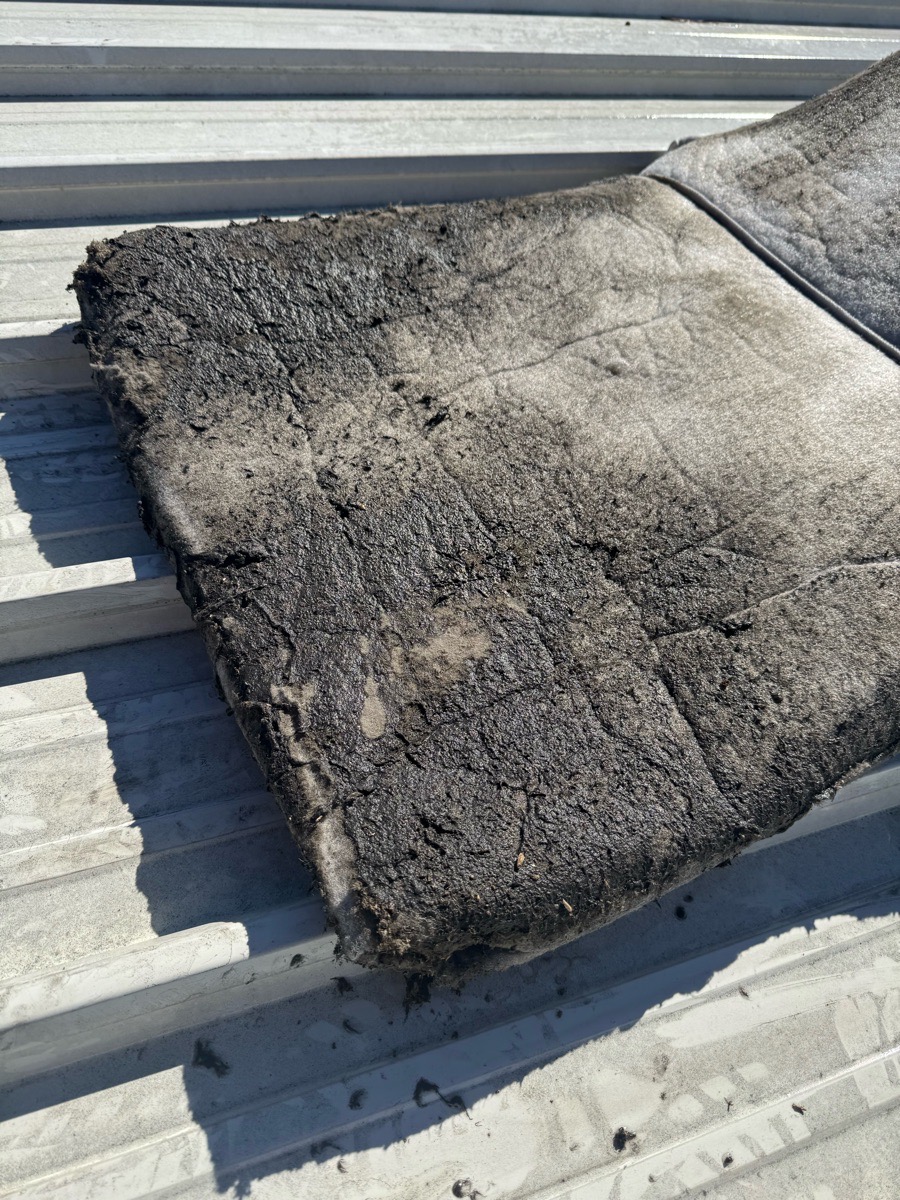
Filthy commercial air conditioning bag filter showing heavy dust buildup before maintenance by Shelair Brisbane

A neglected HVAC bag filter from a commercial site in Brisbane — clogged with dust and debris, reducing airflow and driving up energy costs. Regular maintenance prevents this.


The Role of Bag Filters in Commercial HVAC

Bag (or pocket) filters are designed to trap fine airborne particles as part of a multi-stage filtration setup. They’re widely used in commercial and industrial buildings to maintain clean indoor air and protect equipment.

However, because these filters can hold a large volume of dust, especially in urban or industrial areas like Brisbane and the Gold Coast, they can easily become a major airflow bottleneck if not maintained.


Energy Savings from Clean Filters

Studies from the U.S. Department of Energy and local Australian efficiency data show that:

  • Replacing or cleaning clogged filters can reduce HVAC energy use by 5%–15%.

  • In large commercial systems, that can mean thousands of dollars in annual savings.

  • Clean filters also reduce strain on fan motors, compressors, and coils, preventing expensive breakdowns.


Signs It’s Time to Clean or Replace Filters

  • Higher-than-usual electricity bills

  • Reduced airflow from vents

  • Uneven cooling or heating

  • Unusual fan noise

  • Dust buildup on return air grills


Best Practices for Filter Maintenance

Inspect Monthly: Especially during summer or heavy-use periods.

Monitor Pressure Differential: Install gauges to measure airflow resistance and know when filters need replacing.

Replace on Schedule: Most commercial bag filters should be replaced every 3–6 months, depending on use and air quality.

Implement a Preventative Maintenance Plan:
Shelair offers tailored commercial air conditioning maintenance agreements that include routine inspections, filter replacements, and full system performance checks.


Cleaner Filters, Lower Costs

Improving energy efficiency doesn’t always require a major upgrade. Sometimes, it’s as simple as keeping your filters clean. With rising electricity prices and sustainability goals becoming more important, proactive maintenance delivers real savings and reliability.

Contact Shelair today to arrange a preventative maintenance plan that keeps your HVAC system running efficiently and your power bills under control.

📞 Phone: 07 3204 9511
📧 Email: info@shelair.com.au


Stay Connected

Follow us on LinkedIn for more commercial air conditioning tips, insights, and energy-saving strategies.

Enjoyed this article?
Read more HVAC case studies and advice on our Shelair Insights Blog.

How Much Does Commercial Air Conditioning Really Cost to Run?

Compare real-world kWh rates, system sizes, and energy-saving strategies

1. Quick kWh-Cost Table (SE Queensland Tariff 11 – $0.27/kWh*)

System Size (Cooling kW)** Avg. kWh / hr Cost / hr 8-hr Business Day 250-Day Year
7 kW Split 2.1 kWh $0.57 $4.56 $1,140
14 kW Ducted Split 4.2 kWh $1.13 $9.04 $2,260
25 kW Light-commercial 7.5 kWh $2.03 $16.24 $4,060
50 kW Rooftop Unit 14.4 kWh $3.89 $31.12 $7,780
85 kW Rooftop Unit 23.5 kWh $6.34 $50.72 $12,680

*Tariff 11 QLD April 2025 — adjust for your retailer.
**Cooling kW = nominal system capacity; kWh consumption assumes average COP of 3.3 at 32 °C ambient.


2. How to Calculate Your Air Conditioning Running Costs

Formula:
Running cost ($) = (Cooling kW ÷ COP) × Electricity rate ($/kWh) × Operating hours

Example – 25 kW system:
25 kW ÷ 3.3 COP = 7.6 kWh × $0.27 = $2.05/hour


3. Seven Proven Ways to Cut Your HVAC Energy Bills

  1. Raise set-point by 1 °C to save up to 10% on energy.

  2. Change filters quarterly — dirty filters add 5–15% load.

  3. Fit variable-speed drives (VSDs) to supply fans — average 20% reduction.

  4. Enable economiser cycle for free cooling below 22 °C.

  5. Use BTMS monitoring to detect compressor short-cycling early.

  6. Night purge offices to remove heat before startup.

  7. Replace R22 or fixed-speed systems over 15 years old — new inverter models can halve kWh use.

Related reading: Commercial Air Conditioning Maintenance Checklist


4. Case Study – Brisbane Office Cuts $3,200 Annually

Problem: 25 kW rooftop units running continuously at low efficiency.
Solution: Shelair installed VSD controls and optimised airflow balance.
Result: 17% energy reduction = $3,200 saved per year. ROI ≈ 15 months.


5. Frequently Asked Questions

What’s the cheapest tariff for commercial HVAC?
Larger sites on Tariff 20 or demand-based tariffs can pay 10–15% less per kWh.

Does solar offset HVAC power costs?
Yes — most systems operate during daylight. A 30 kW solar array can offset 40% of annual HVAC consumption.

Should I leave AC on overnight?
Not usually. Overnight heat gain outweighs any stored cooling. Use night purge or temperature setback only.


6. Free Commercial Cooling Audit and kWh Calculator

Want to know your exact running costs and payback?
Book a free commercial cooling audit with Shelair — includes a 5-year workmanship guarantee on any approved upgrades.

Servicing Brisbane, Gold Coast and Sunshine Coast
Phone: 07 3204 9511
Email: info@shelair.com.au


Stay Connected

Follow us on LinkedIn for updates, HVAC tips, and client success stories.

Enjoyed this article?
Read more industry insights and case studies on our Shelair Insights Blog.

5 Ways to Improve Energy Efficiency in Commercial Air Conditioning Systems

Introduction

Electricity costs are one of the largest ongoing expenses for commercial buildings in Queensland — and your air conditioning system is often the biggest energy user.

At Shelair, we work with Brisbane businesses every day to improve energy efficiency in commercial air conditioning through smarter system design, maintenance, and technology.

Here are five proven ways to reduce running costs, extend system life, and improve comfort.


1. Regular Preventive Maintenance

The simplest way to boost efficiency is through consistent, professional maintenance.

Dust, clogged filters, and refrigerant leaks all make systems work harder, increasing power use by up to 30%.
A quarterly service schedule ensures your system stays clean, calibrated, and efficient.

Key tasks include:

  • Cleaning filters and coils

  • Checking refrigerant pressures

  • Inspecting electrical components

  • Verifying thermostat and control accuracy

“quarterly service schedule” → Service & Repairs


2. Upgrade to Inverter or VRV/VRF Systems

If your system is over 10 years old, it’s likely consuming far more power than necessary.

Modern inverter-driven and VRV/VRF systems adjust output automatically based on cooling demand — saving up to 40% in energy.

They’re ideal for offices, healthcare, and retail environments where loads vary throughout the day.

“VRV/VRF systems” → Installation page.


3. Improve Airflow and Duct Efficiency

Leaky, uninsulated, or poorly balanced ducts waste enormous amounts of conditioned air — and energy.

Regular duct inspections and air-balancing checks ensure even airflow and reduce strain on the system.

You’ll see improved comfort and lower power use almost immediately.


4. Use Smart Controls and Zoning

Modern control systems allow you to cool only the areas in use and automatically adjust temperatures based on occupancy or time of day.

Zoning, occupancy sensors, and programmable thermostats can cut energy use by up to 25% while maintaining comfort.

Shelair installs and integrates smart controls across all major commercial air conditioning brands.


5. Plan for System Replacement at the Right Time

Every system has a finite lifespan. Holding on to inefficient units too long often costs more than replacing them.

If maintenance costs are rising and energy consumption is increasing, replacement is likely the smarter financial move.

Shelair can assess your current system’s performance and provide a cost-benefit analysis comparing repair vs replacement.

 “cost-benefit analysis” → Service & Repairs


Why Energy Efficiency Matters

  • Lower running costs: Every kilowatt saved goes straight to your bottom line.

  • Improved reliability: Efficient systems experience less wear and fewer breakdowns.

  • Environmental compliance: Reduced carbon footprint and energy reporting compliance.

  • Better comfort: Consistent temperatures improve productivity and tenant satisfaction.


How Shelair Helps Brisbane Businesses Save

With over 30 years of experience in commercial air conditioning across Brisbane, the Gold Coast, and the Sunshine Coast, Shelair delivers end-to-end HVAC solutions designed for performance and efficiency.

We offer:

  • Energy-efficient system design and upgrades

  • Preventive maintenance programs

  • 24/7 repairs and diagnostics

  • Smart control and zoning installations


Call Today!

Reduce your energy costs and improve comfort with Shelair’s energy-efficient commercial air conditioning services.

📞 Call 07 3204 9511 or visit shelair.com.au to arrange a system assessment and efficiency review.

How to Choose the Right Commercial Air Conditioning System for Your Business

Introduction

Choosing the right commercial air conditioning system isn’t as simple as picking a brand and size. The wrong choice can lead to high energy bills, poor comfort, and premature equipment failure.

At Shelair, we’ve designed and installed commercial HVAC systems across Brisbane, the Gold Coast, and the Sunshine Coast for more than 30 years. Here’s what every business should consider before investing in a new system.


1. Understand Your Building and Usage Requirements

Every commercial space is different. Offices, retail stores, aged care facilities, and warehouses all have unique cooling and ventilation needs.

Key factors include:

  • Building size and layout

  • Number of occupants

  • Operating hours

  • Heat-generating equipment (e.g. kitchens, computers, machinery)

A professional load calculation ensures your system is sized for efficiency — not just capacity.


2. Choose the Right Type of System

There are several types of commercial air conditioning systems available in Brisbane, each with different advantages:

Ducted Systems

Ideal for large, open spaces or multi-room environments. Provide even airflow and quiet operation.

VRV / VRF Systems

Variable refrigerant systems offer precise temperature control and are highly energy-efficient — ideal for offices or mixed-use buildings.

Split or Cassette Systems

Good for smaller tenancies or specific zones where full-ducted systems aren’t practical.

Packaged Rooftop Units

Compact, efficient systems for larger facilities or industrial spaces.

Shelair designs and installs all major system types to match each client’s operational needs and budget.


3. Energy Efficiency and Running Costs

Energy efficiency isn’t just an environmental goal — it’s a major cost factor.

Look for systems with:

  • High star ratings or inverter technology

  • Zoning and smart controls

  • Demand-based ventilation

Modern commercial systems can reduce energy consumption by up to 30% compared to older models.

“energy-efficient commercial systems” → Service & Repairs page


4. Maintenance Requirements

Some systems are easier and cheaper to maintain than others.

Ask about:

  • Filter access and cleaning frequency

  • Spare part availability

  • Manufacturer warranties

A cheaper upfront system can become more expensive long-term if maintenance is difficult or frequent.


5. Installation Quality Matters Most

Even the best system will fail to perform if installed poorly. Incorrect piping, poor duct sealing, or undersized electrical components can all lead to inefficiency and breakdowns.

That’s why choosing an experienced, licensed installer is critical.
At Shelair, our project managers oversee every installation stage to ensure compliance and quality assurance from start to finish.


6. Climate and Environmental Factors

Queensland’s climate — hot, humid, and often coastal — requires durable, corrosion-resistant systems.

Outdoor units near the coast benefit from:

  • Protective coil coatings

  • Stainless-steel fittings

  • Regular rinsing of salt deposits

Selecting a system rated for coastal environments extends lifespan and reliability.

“commercial systems rated for coastal environments” → About Us page.


7. The Importance of After-Sales Support

A good installation partner doesn’t disappear after handover.

Shelair offers ongoing maintenance programs, 24/7 emergency repair services, and performance monitoring — ensuring your investment continues to deliver value for years.


Why Choose Shelair for Commercial Air Conditioning in Brisbane

With over 20 years of experience across SE Queensland, Shelair delivers:

  • Expert design and load analysis

  • Installation of all major commercial systems

  • Preventative maintenance programs

  • 24/7 support and responsive repairs

Whether you’re upgrading, expanding, or fitting out a new building, we’ll tailor a system that fits your needs, budget, and compliance requirements.


Call Today!

Need advice on the best commercial air conditioning system in Brisbane for your business?
Contact Shelair today for a free consultation and quote.

📞 Call 07 3204 9511
🌐 Visit shelair.com.au to learn more.

About Shelair – Commercial Air Conditioning Experts in Brisbane, Gold Coast & Sunshine Coast

Who We Are

For over 30 years, Shelair has been delivering reliable, high-quality commercial air conditioning services throughout Brisbane, the Gold Coast, and the Sunshine Coast.

We specialise in the design, installation, repair, and maintenance of commercial HVAC systems for offices, retail, aged care, schools, hospitality, and industrial facilities.

Our focus is simple — to keep your business comfortable, efficient, and compliant year-round.


Our Story

Founded in Queensland, Shelair began as an air conditioning installer focused on personal service and technical quality.
Over time, the business grew into a trusted HVAC partner for thousands of commercial clients across South East Queensland.

In 2025, Shelair became part of the HVACR Group, bringing together decades of trade experience, strong supplier relationships, and scalable project capability — all while keeping the same reliable service our customers value.


What We Do

At Shelair, we deliver end-to-end HVAC solutions for commercial and industrial clients, including:

  • System Design & Installation – Complete mechanical air conditioning design and project delivery for new builds, fit-outs, and refurbishments.

  • Repairs & Servicing – Fast, professional repairs for all major HVAC brands, backed by 24/7 emergency response.

  • Preventive Maintenance – Scheduled servicing programs that keep systems efficient, compliant, and cost-effective.

  • Retrofit & Upgrades – Modernising older systems to improve energy performance and meet current standards.


Our Values

Reliability – We do what we say we’ll do, when we say we’ll do it.
Safety – All works comply with Australian Standards, WHS laws, and environmental requirements.
Efficiency – Every job is managed to deliver the best performance and lifecycle cost.
Integrity – Transparent communication, honest advice, and long-term relationships.

We believe success comes from looking after our people, our customers, and the systems that support them.


Our Service Area

Shelair operates across:

  • Brisbane

  • Gold Coast

  • Sunshine Coast

  • Ipswich and Toowoomba regions

We support projects from small commercial fit-outs to large-scale industrial installations.


Why Businesses Choose Shelair

  • Over 30 years of HVAC industry experience

  • Locally based service teams

  • Licensed and qualified technicians

  • 24/7 emergency support

  • Comprehensive maintenance programs

  • Transparent pricing and communication


Part of the HVACR Group

As part of the HVACR Group, Shelair benefits from group-level purchasing power, safety systems, and management support — allowing us to deliver competitive pricing and consistent quality across all projects.

This structure ensures clients receive the professionalism of a large organisation with the responsiveness of a local business.


Talk to the Commercial Air Conditioning Specialists

Looking for a reliable partner for your commercial air conditioning in Brisbane or anywhere across SE Queensland?

Contact Shelair today to discuss your project, maintenance, or service requirements.

📞 Call 07 3204 9511
📧 info@shelair.com.au
🌐 www.shelair.com.au